



Hey there! As a supplier of vacuum ovens, I'm super stoked to share with you how these nifty machines work. Vacuum ovens are pretty cool pieces of equipment that find use in a bunch of industries, from battery manufacturing to scientific research. So, let's dive right in and explore the ins and outs of how a vacuum oven operates.
The Basics of a Vacuum Oven
First off, let's talk about what a vacuum oven is. It's basically an enclosed chamber where you can control the temperature and pressure. The key difference between a regular oven and a vacuum oven is the ability to create a low-pressure environment inside the chamber. This low-pressure situation, or vacuum, has some really important effects on the materials you're processing.
Creating the Vacuum
The first step in the operation of a vacuum oven is creating that all-important vacuum. This is done using a vacuum pump. The pump is connected to the oven chamber, and when it's turned on, it starts sucking out the air and other gases from inside. As the air is removed, the pressure inside the chamber drops.
There are different types of vacuum pumps that can be used, depending on the level of vacuum you need. For example, a rotary vane pump is a common choice for achieving a moderate vacuum. It works by using rotating vanes to trap and remove air from the chamber. On the other hand, if you need a really high level of vacuum, you might use a diffusion pump or a turbomolecular pump. These pumps are more complex and expensive but can create a much lower pressure environment.
As the pressure inside the chamber decreases, something really interesting happens. The boiling point of liquids decreases. You see, the boiling point of a liquid is the temperature at which its vapor pressure equals the atmospheric pressure. When you lower the atmospheric pressure inside the vacuum oven, the liquid can boil at a much lower temperature. This is a huge advantage when you're dealing with heat-sensitive materials. You can remove moisture or other volatile substances from the material without subjecting it to high temperatures that could damage it.
Heating the Chamber
Once the vacuum is established, it's time to start heating the chamber. Most vacuum ovens use electric heating elements to raise the temperature. These elements are usually located on the walls or the bottom of the chamber.
The heating system is carefully controlled to ensure that the temperature inside the chamber is uniform. This is important because you want all parts of the material you're processing to be heated evenly. A temperature controller is used to monitor the temperature and adjust the power supplied to the heating elements as needed.
There are different heating modes that can be used in a vacuum oven. For example, you can set a constant temperature for a specific period of time. This is useful when you're drying a material and need to maintain a certain temperature until all the moisture is removed. Alternatively, you can use a programmed heating profile, where the temperature changes over time according to a pre-set schedule. This can be handy for more complex processes, like curing a resin or annealing a metal.

Applications of Vacuum Ovens
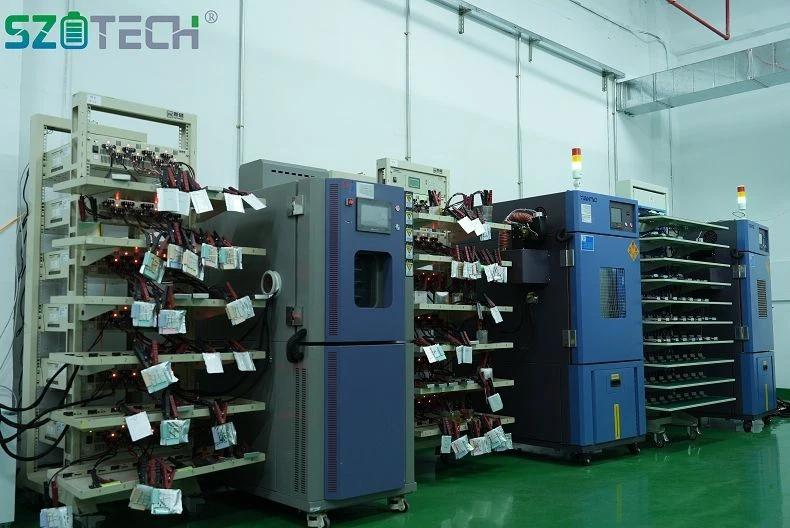
Now that you know how a vacuum oven works, let's talk about some of the applications. One of the most common uses is in battery manufacturing. In the production of batteries, it's crucial to remove any moisture from the electrodes and other components. Moisture can cause chemical reactions that can reduce the performance and lifespan of the battery. A Battery Manufacturing Vacuum Laboratory Oven is specifically designed to meet the strict requirements of battery production. It can create a clean, dry environment to ensure the quality of the batteries.
Vacuum ovens are also widely used in the pharmaceutical industry. They can be used to dry and sterilize drugs and medical devices. The low-pressure and controlled temperature environment helps to preserve the integrity of the pharmaceutical products.
In the electronics industry, vacuum ovens are used for processes like baking and curing. For example, when manufacturing printed circuit boards, a vacuum oven can be used to remove any moisture from the boards before they are assembled. This helps to prevent short circuits and other electrical problems.
Advantages of Using a Vacuum Oven
There are several advantages to using a vacuum oven over a regular oven. As I mentioned earlier, the ability to lower the boiling point of liquids means that you can process heat-sensitive materials without damaging them. This is a huge benefit in industries where the quality of the materials is critical.
Another advantage is that the vacuum environment reduces the risk of oxidation and contamination. In a regular oven, the presence of oxygen can cause materials to oxidize, which can change their properties. In a vacuum oven, the lack of oxygen helps to prevent this from happening.
Vacuum ovens also offer better control over the drying process. You can adjust the temperature and pressure to optimize the removal of moisture or other volatile substances. This results in a more consistent and reliable drying process.
Our Vacuum Oven Products
At our company, we offer a range of high-quality vacuum ovens to meet the diverse needs of our customers. Our Lab Vacuum Oven is perfect for small-scale research and development projects. It's compact, easy to use, and provides precise control over the temperature and vacuum level.
If you're in the battery manufacturing industry, our Battery Manufacturing Vacuum Laboratory Oven is a great choice. It's designed to handle the large volumes and strict quality requirements of battery production.
For general drying applications, our Vacuum Drying Oven is a reliable option. It offers a spacious chamber and a powerful heating system to ensure efficient drying.
Contact Us for Purchase
If you're interested in learning more about our vacuum ovens or are looking to make a purchase, we'd love to hear from you. Our team of experts is ready to answer any questions you might have and help you choose the right vacuum oven for your needs. Whether you're a small research lab or a large manufacturing facility, we have the solution for you.
References
- "Vacuum Ovens: Principles and Applications" - A technical guide on vacuum oven technology.
- "Industrial Oven Handbook" - A comprehensive resource on different types of industrial ovens, including vacuum ovens.
- "Battery Manufacturing Processes" - A publication that discusses the role of vacuum ovens in battery production.