



Can a battery tester test power tool batteries? This is a question that many professionals and DIY enthusiasts often ask when it comes to maintaining and assessing the health of their power tools. As a battery tester supplier, I have encountered this query numerous times, and I'm here to provide a comprehensive answer based on scientific facts and industry knowledge.
Understanding Power Tool Batteries
Power tool batteries are a crucial component of any power tool. They come in various types, such as nickel - cadmium (Ni - Cd), nickel - metal hydride (Ni - MH), and lithium - ion (Li - ion). Each type has its own unique characteristics, including voltage, capacity, and discharge rate.
Lithium - ion batteries, for example, have become increasingly popular in recent years due to their high energy density, low self - discharge rate, and lack of the memory effect that plagued older Ni - Cd batteries. Ni - Cd batteries, on the other hand, are known for their durability and ability to handle high - current discharges, making them suitable for heavy - duty power tools.
The performance of a power tool battery can degrade over time due to factors like overcharging, over - discharging, high - temperature operation, and normal wear and tear. This degradation can lead to reduced battery capacity, shorter run - times, and ultimately, the need for replacement.
How Battery Testers Work
Battery testers are devices designed to measure various parameters of a battery to determine its health and performance. The most common parameters measured include voltage, internal resistance, and capacity.
Voltage is a basic measure of the electrical potential difference between the positive and negative terminals of a battery. A fully charged battery will have a specific voltage, and as it discharges, the voltage will gradually decrease. By measuring the voltage, a battery tester can give a rough indication of whether the battery is charged or not.
Internal resistance is another critical parameter. As a battery ages or is damaged, its internal resistance increases. A higher internal resistance means that more energy is lost as heat during the discharge process, resulting in reduced battery efficiency and performance. A battery tester can measure the internal resistance to assess the battery's overall health.
Capacity refers to the amount of charge a battery can store. It is usually measured in ampere - hours (Ah) or milliampere - hours (mAh). A battery tester can estimate the capacity by discharging the battery at a controlled rate and measuring the amount of charge that is released.
Can a Battery Tester Test Power Tool Batteries?
The short answer is yes, a battery tester can test power tool batteries. However, not all battery testers are created equal, and the suitability of a tester depends on several factors.
Compatibility
First and foremost, the battery tester must be compatible with the type of power tool battery. For instance, a tester designed for Ni - Cd batteries may not work correctly with Li - ion batteries due to differences in voltage ranges, charging profiles, and internal resistance characteristics.
Some advanced battery testers are multi - function and can handle different types of batteries, including those used in power tools. These testers are equipped with adjustable settings to accommodate the specific requirements of each battery type.
Voltage and Current Ratings
Power tool batteries typically have higher voltage and current ratings compared to standard household batteries. A battery tester must be able to handle these higher ratings safely and accurately. For example, a power tool battery may have a voltage of 18V or 20V, while a common AA battery has a voltage of 1.5V. A tester designed for low - voltage batteries will not be able to test power tool batteries effectively.
Capacity Testing
Testing the capacity of a power tool battery is more complex than just measuring voltage. A good battery tester should be able to perform a controlled discharge of the battery to accurately measure its capacity. This requires a tester with a high - precision discharge circuit and the ability to record the discharge time and current.
Benefits of Testing Power Tool Batteries
Regularly testing power tool batteries using a battery tester offers several benefits.
Cost Savings
By identifying a failing battery early, you can avoid unnecessary tool downtime and the cost of replacing a tool that may still be in good working condition. Instead, you can simply replace the battery, which is often a more cost - effective solution.
Improved Performance
Testing allows you to ensure that your power tools are operating at their optimal performance. A healthy battery will provide consistent power, resulting in better tool performance and longer run - times.
Safety
A damaged or failing battery can pose a safety risk, such as overheating or even explosion in extreme cases. By testing the battery regularly, you can detect potential problems and take appropriate measures to prevent accidents.

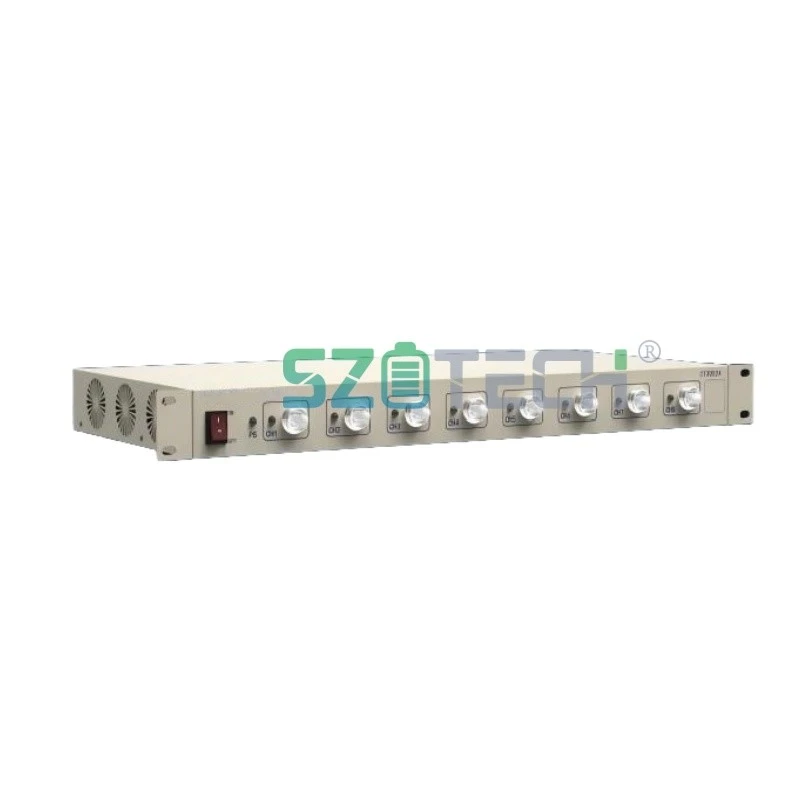
Our Battery Testers for Power Tool Batteries
As a battery tester supplier, we offer a range of high - quality battery testers that are suitable for testing power tool batteries. Our testers are designed with the latest technology to provide accurate and reliable results.
One of our popular products is the Coin Cell Tester. Although it is named for coin - cell batteries, it also has the flexibility to test small - to medium - sized power tool batteries with appropriate settings. It can measure voltage, internal resistance, and capacity, giving you a comprehensive view of the battery's health.
Our multi - function battery testers are capable of handling different types of power tool batteries, including Ni - Cd, Ni - MH, and Li - ion. They are equipped with user - friendly interfaces and adjustable parameters to ensure accurate testing for a wide range of battery specifications.
Contact Us for Your Battery Testing Needs
If you are in the market for a reliable battery tester to test your power tool batteries, we are here to help. Our team of experts can provide you with detailed information about our products and assist you in choosing the right tester for your specific requirements.
Whether you are a professional contractor, a DIY enthusiast, or a business owner looking to maintain a fleet of power tools, our battery testers can be a valuable addition to your toolkit. Contact us today to start a discussion about your battery testing needs and explore the possibilities of improving the performance and longevity of your power tool batteries.
References
- Linden, D., & Reddy, T. B. (2002). Handbook of Batteries. McGraw - Hill.
- Karden, E. (2011). Battery Technology Handbook. McGraw - Hill Professional.
- Battery University. (n.d.). Retrieved from https://batteryuniversity.com/