



Can a battery tester diagnose battery problems?
As a supplier of battery testers, I've encountered numerous inquiries from customers eager to understand the capabilities of these devices. The question of whether a battery tester can diagnose battery problems is both relevant and timely, especially in an era where batteries power an ever - expanding array of devices, from small coin - cell powered gadgets to large electric vehicle battery packs.
Understanding Battery Testers
Battery testers are designed to measure various electrical parameters of a battery. These parameters include voltage, current, resistance, and capacity. By measuring these values, a battery tester can provide valuable insights into the health and performance of a battery.
Voltage Measurement
Voltage is one of the most basic and important parameters measured by a battery tester. A fully charged battery has a specific voltage range depending on its chemistry. For example, a standard alkaline AA battery has a nominal voltage of 1.5 volts when fully charged. As the battery discharges, its voltage gradually drops. A significant deviation from the expected voltage can indicate a problem. If a battery's voltage is much lower than the nominal value, it could be due to a depleted charge, an internal short - circuit, or a damaged cell.
Current Measurement
Measuring the current flowing in and out of a battery is crucial for understanding its charging and discharging behavior. A battery tester can measure the current during charging to ensure that the charger is providing the correct amount of current. During discharging, it can help determine if the battery is delivering the expected current to the device it powers. An abnormal current draw could suggest a problem with the battery, such as excessive self - discharge or a faulty connection.
Resistance Measurement
Internal resistance is another key parameter. A healthy battery has a relatively low internal resistance. As a battery ages or becomes damaged, its internal resistance increases. High internal resistance can lead to reduced battery performance, as more energy is wasted as heat during charging and discharging. A battery tester can measure the internal resistance, and an elevated value can be a sign of a failing battery.
Capacity Measurement
Capacity refers to the amount of charge a battery can store. A battery tester can estimate the remaining capacity of a battery by measuring the amount of charge that can be drawn from it under specific conditions. This is particularly important for applications where the battery's runtime is critical, such as in portable electronics or electric vehicles. If the measured capacity is significantly lower than the rated capacity, it indicates that the battery may need to be replaced.
Diagnosing Battery Problems
Now, let's explore how a battery tester can diagnose common battery problems.
Over - Discharged Batteries
When a battery is over - discharged, its voltage drops below a safe level. A battery tester can quickly identify this by measuring the voltage. If the voltage is well below the nominal value, it's a clear sign that the battery has been over - discharged. Over - discharging can cause irreversible damage to the battery, reducing its capacity and lifespan.
Short - Circuited Batteries
A short - circuit in a battery can be extremely dangerous and can lead to overheating, swelling, or even explosion. A battery tester can detect a short - circuit by measuring the resistance. If the internal resistance is extremely low or close to zero, it indicates a short - circuit. In such cases, the battery should be handled with extreme caution and disposed of properly.
Aging Batteries
As batteries age, their performance gradually degrades. A battery tester can diagnose an aging battery by measuring its capacity and internal resistance. If the capacity has decreased significantly and the internal resistance has increased, it's likely that the battery is reaching the end of its useful life.
Faulty Cells in a Battery Pack
In a battery pack consisting of multiple cells, a single faulty cell can affect the performance of the entire pack. A battery tester can measure the voltage and other parameters of each individual cell in the pack. If one cell has a significantly different voltage or resistance compared to the others, it may be faulty.
Limitations of Battery Testers
While battery testers are powerful diagnostic tools, they do have some limitations.

Temperature Effects
Battery performance is highly dependent on temperature. A battery tester measures the battery's parameters at a specific temperature. However, in real - world applications, the temperature can vary significantly. For example, a battery may perform differently in cold weather compared to warm weather. A battery tester may not accurately account for these temperature - related variations, leading to inaccurate diagnoses.
Complex Battery Chemistries
Modern batteries come in a wide variety of chemistries, each with its own unique characteristics. Some advanced battery chemistries, such as lithium - ion batteries with complex management systems, can be more difficult to diagnose accurately. The battery management system may regulate the battery's parameters in a way that makes it challenging for a simple battery tester to detect underlying problems.
Inconsistent Usage Patterns
Battery usage patterns can vary greatly from one application to another. A battery that is frequently charged and discharged under high - load conditions may degrade differently from one used under low - load conditions. A battery tester may not be able to fully account for these inconsistent usage patterns, which can affect the accuracy of the diagnosis.
The Role of Our Battery Testers
As a battery tester supplier, we understand the importance of providing accurate and reliable diagnostic tools. Our battery testers are designed to overcome many of the limitations mentioned above.
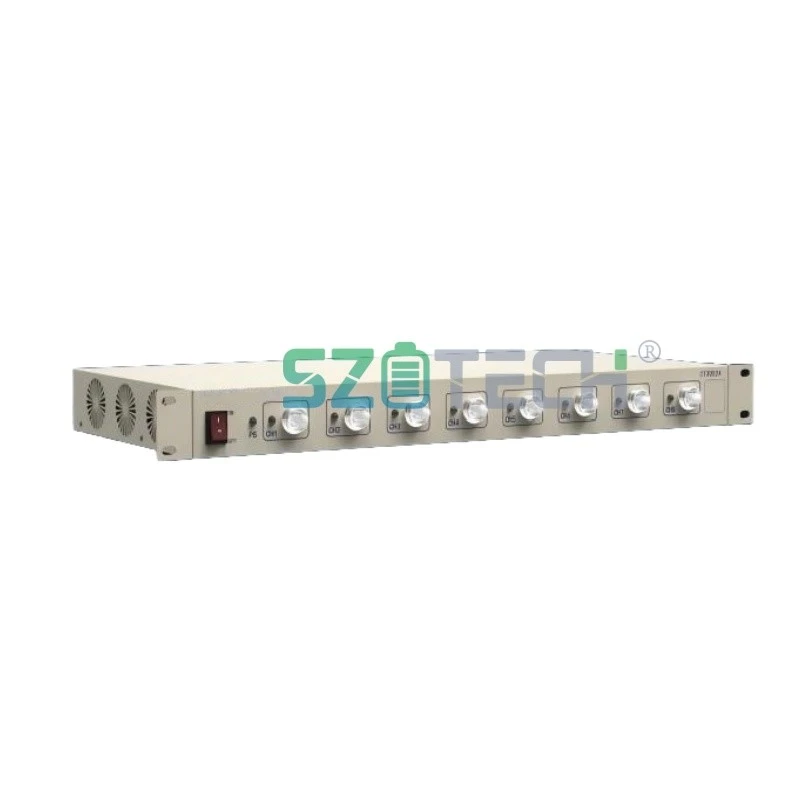
We offer a wide range of battery testers, including the Coin Cell Tester, which is specifically designed for testing small coin - cell batteries commonly used in watches, calculators, and other small electronic devices. Our testers are equipped with advanced sensors and algorithms that can accurately measure voltage, current, resistance, and capacity, even under varying temperature conditions.
Our team of experts is constantly working on improving the performance of our battery testers. We conduct extensive research and development to ensure that our products can accurately diagnose battery problems across different battery chemistries and usage patterns.
Conclusion
In conclusion, a battery tester can indeed diagnose many battery problems. By measuring key electrical parameters such as voltage, current, resistance, and capacity, it can provide valuable insights into the health and performance of a battery. However, it's important to be aware of the limitations of battery testers, such as temperature effects, complex battery chemistries, and inconsistent usage patterns.
As a leading battery tester supplier, we are committed to providing high - quality diagnostic tools that can help our customers accurately diagnose battery problems. Whether you are a manufacturer, a technician, or an end - user, our battery testers can be an invaluable asset in maintaining the performance and safety of your batteries.
If you are interested in learning more about our battery testers or would like to discuss your specific requirements, we invite you to contact us for a detailed consultation. Our team of experts is ready to assist you in finding the right battery tester for your needs.
References
- Linden, D., & Reddy, T. B. (2002). Handbook of Batteries. McGraw - Hill.
- Gregory, T. (2017). Battery Management Systems: Design by Example. Wiley.